
It Affects Adults Too! What You Need to Know About Jaundice, Commonly Seen in Infants
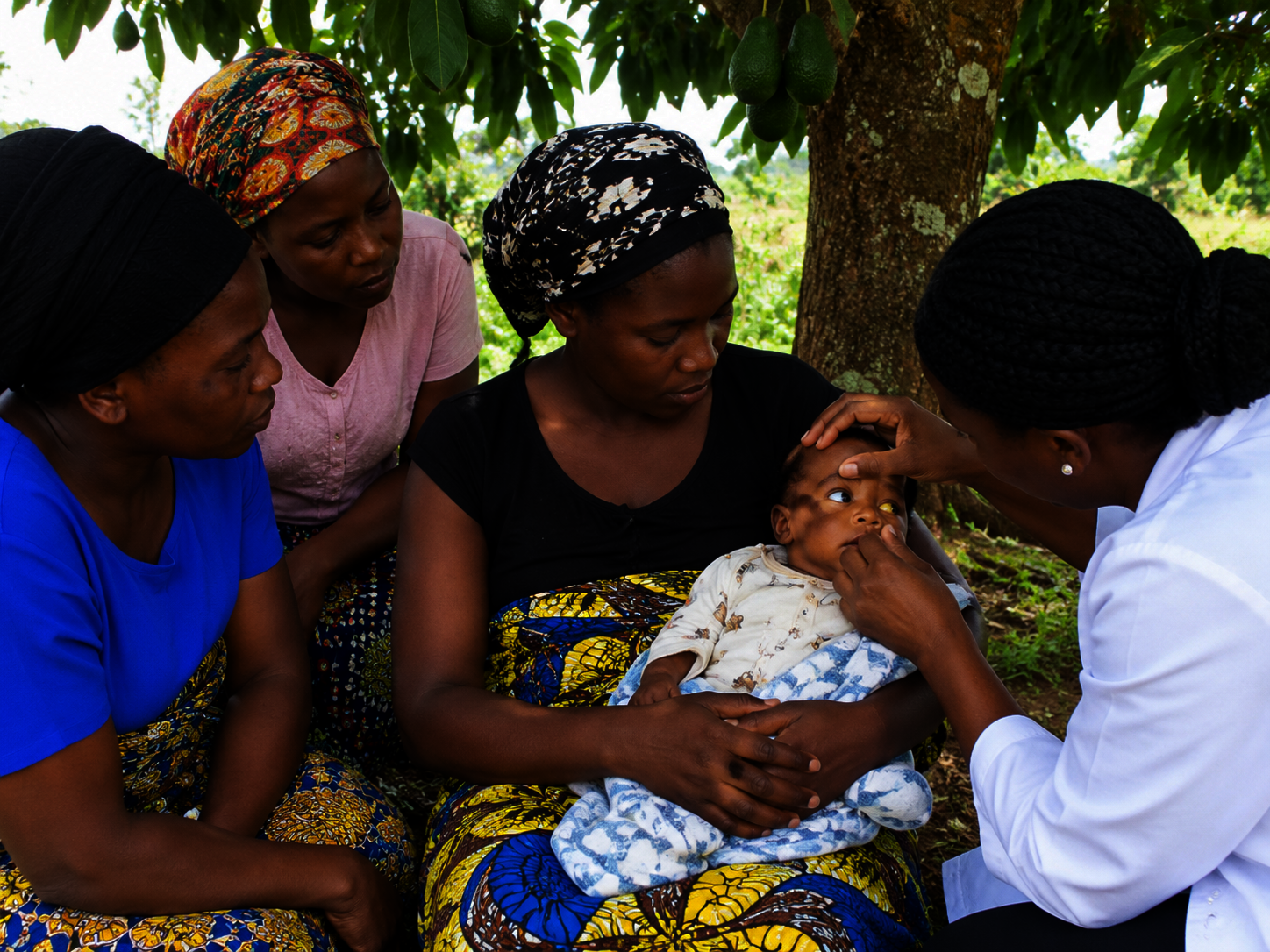
Photo (AI-generated) showing parents examining jaundice in their baby's eyes
You may see a parent holding a baby and hear them say, “I notice that my baby's eyes have changed color. I think the baby may have jaundice. Let me take the baby to the doctor.” But what exactly is jaundice? How is it transmitted? What are its symptoms? Can adults also develop jaundice? What can I do to prevent it? Read on to learn more about this condition.
A person is said to have jaundice when there is an excessive amount of bilirubin, a yellow-colored substance, in the blood. This causes the skin, the whites of the eyes, and mucous membranes, including those in the mouth and nose, to turn yellow. There are many possible causes of jaundice, including liver diseases such as hepatitis, gallstones, and tumors.
Symptoms
Although diseases usually have recognizable symptoms, some people with jaundice may not immediately notice any symptoms. The speed at which symptoms develop can indicate the severity of the condition. When jaundice is caused by an infection, it is generally short-lived and may be accompanied by the following symptoms:
- Fever
- Chills
- Abdominal pain
- Flu-like symptoms
- Yellowing of the skin
- Passing dark-colored stool and urine, sometimes described as clay-colored stool
On the other hand, when jaundice is not caused by an infection, the patient may experience weight loss or itching (pruritus). When jaundice originates from the pancreas, abdominal pain is a common symptom. When it is caused by liver disease, a person may experience the following conditions:
- Liver inflammation or chronic hepatitis
- Pyoderma gangrenosum
- Severe hepatitis A, B, or C
- Joint swelling (polyarthralgia)
Who Can Develop Jaundice?
Jaundice is particularly common in infants, but it does not affect children alone; adults can also develop it. In newborns, when bilirubin levels rise, particularly between the third and seventh days after birth, it is important for the baby to be assessed for jaundice.
Signs of Jaundice in Babies
- The baby's skin turns yellow.
- The skin on the baby's abdomen, arms, or legs may become yellow.
- The whites of the baby's eyes may appear yellow.
- The baby may appear weak, ill, or have difficulty waking up.
- The baby may have difficulty feeding or fail to gain weight.
- The baby may cry excessively and have a high-pitched cry.
What Causes Jaundice?
When someone is said to have jaundice, it may be caused by problems affecting the liver or pancreas, or by an excessive level of a substance in the blood called bilirubin. When bilirubin levels become too high, certain parts of the body can turn yellow.
A Person May Develop Jaundice When:
- They have hepatitis A, B, or C.
- They take more medication than prescribed, such as acetaminophen (a medicine used to relieve pain and reduce fever), or consume contaminated or poisonous foods, such as certain mushrooms.
- They have inherited conditions such as Gilbert syndrome, Dubin-Johnson syndrome, Rotor syndrome, or Crigler-Najjar syndrome, which affect the body's ability to process bilirubin.
- They have chronic liver disease.
- They have gallstones or other gallbladder disorders.
- They have blood disorders.
- They have pancreatic cancer.
How to Prevent Jaundice
Jaundice can sometimes be prevented, although prevention is not always possible because it depends on its underlying cause. To reduce your risk, consider the following:
- Drink alcohol in moderation, generally no more than two drinks per day, and avoid alcohol when taking certain medications prescribed by a doctor, such as acetaminophen.
- Avoid exposure to medications, chemicals, or industrial substances that may harm your health.
- Do not share needles or equipment used for nasal procedures with other people.
- Practice safe sex.
- Get vaccinated against hepatitis A and B to reduce your risk of infection.
After learning about jaundice, including its causes, symptoms, prevention, and who can develop it, it is important to understand that treatment varies depending on the cause and the patient's age. A baby with jaundice is not treated in exactly the same way as an adult.
As with any illness, seek medical attention promptly—or take someone who is ill to a healthcare facility—so that they can receive appropriate treatment at the right time and maintain good health.