
Don’t Hold It Back, Let It Flow! Learn About Crying and Tears
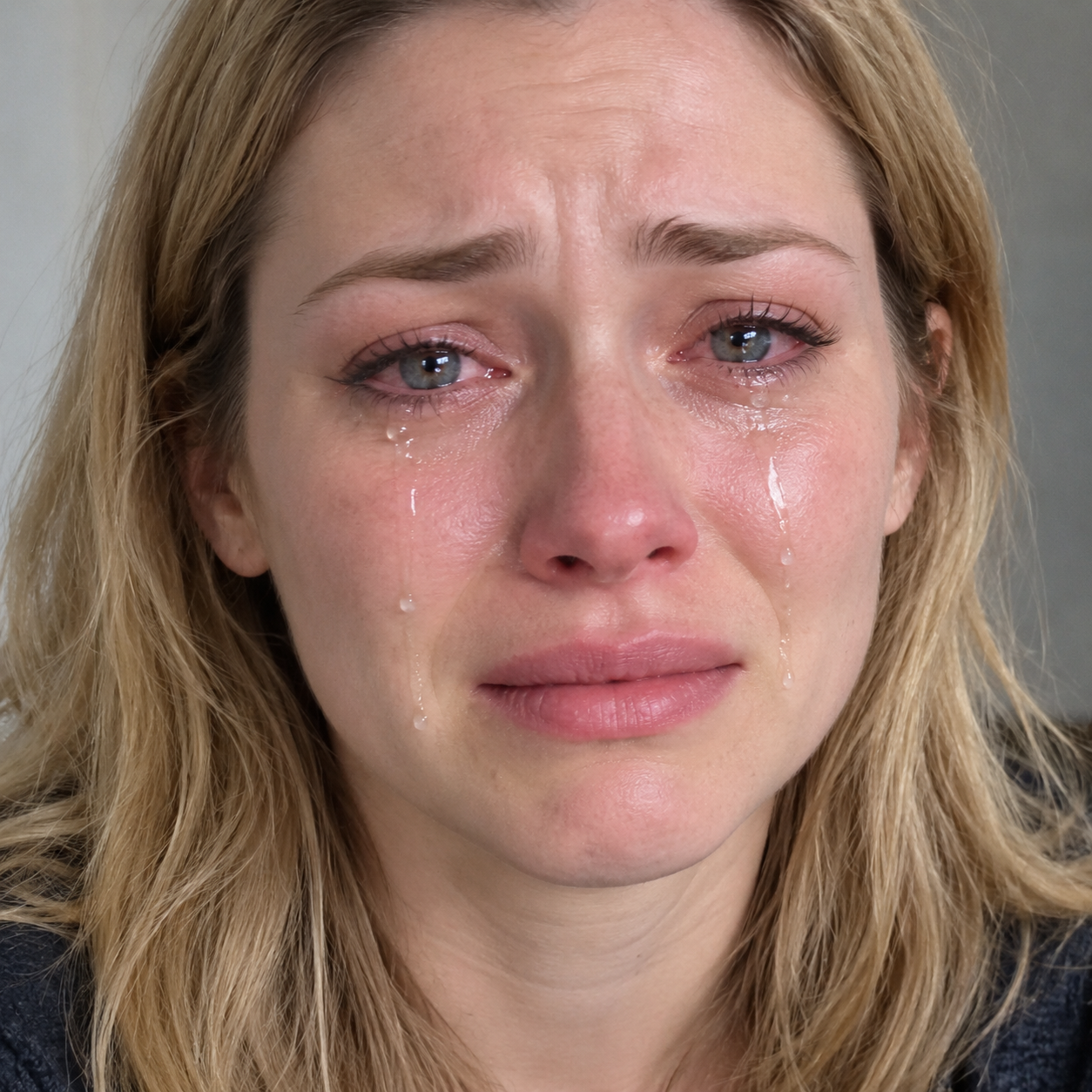
Tears are scientifically rich for eyes and they have no gender
For a long time, people from different backgrounds and upbringings have treated men as cowards or mocked them when they were found crying. Some people believe that crying is not appropriate for men, while others associate it with weakness. However, everyone can cry, depending on the reason behind their tears. A sad breakup, a happy ending to a story, or even an onion being chopped into pieces can all bring a man to tears.
According to the American Academy of Ophthalmology, the human body produces three types of tears: basal tears, reflex tears, and emotional tears. Read this article to the last dot to understand the different types of tears and their benefits.
Basal Tears
The American Academy of Ophthalmology explains that basal tears help lubricate, nourish, and protect the cornea—the clear, dome-shaped surface at the front of the eye that helps focus light into the eye. They also help protect the eyes from dirt particles and other debris.
Reflex Tears
There is no doubt that, at some point, you may have been walking around when something foreign suddenly entered your eye. Or perhaps you have chopped onions and felt your eyes begin to sting. What happens next? Tears start flowing involuntarily.
These are reflex tears. They are produced when the eyes need to wash away harmful irritants, such as smoke, foreign bodies, or onion fumes. Reflex tears are released in larger amounts than basal tears. They also contain substances that help protect the eyes from bacteria.
Emotional Tears
As the name suggests, emotional tears are connected to our emotions. People may cry when they are extremely happy, sad, fearful, overwhelmed, or experiencing other intense emotions.
Emotional tears contain various substances, including stress-related hormones and proteins. Research suggests that crying may help regulate emotions and relieve stress. Emotional tears also have a different chemical composition from reflex tears, which are produced when something irritates or enters the eye.
While some people believe that men should only cry in private—“Amarira y’Umugabo atemba ajya mu nda!”—research has shown that emotional expression can differ between genders partly because of social and cultural factors. In other words, the way people express emotions is influenced not only by biological factors but also by how they are raised and what society expects from them.
Moreover, research on crying and emotional regulation suggests that crying may activate the parasympathetic nervous system, which is associated with helping the body return to a calmer state. Crying may also be accompanied by the release of chemicals such as oxytocin and endorphins, which are associated with emotional regulation and well-being.
So, what does this mean?
The next time you feel like crying, or when someone you love cries, remember that tears are a natural part of being human. Don’t hold it back—let it flow!